Skip to content
Beyond Pakistan
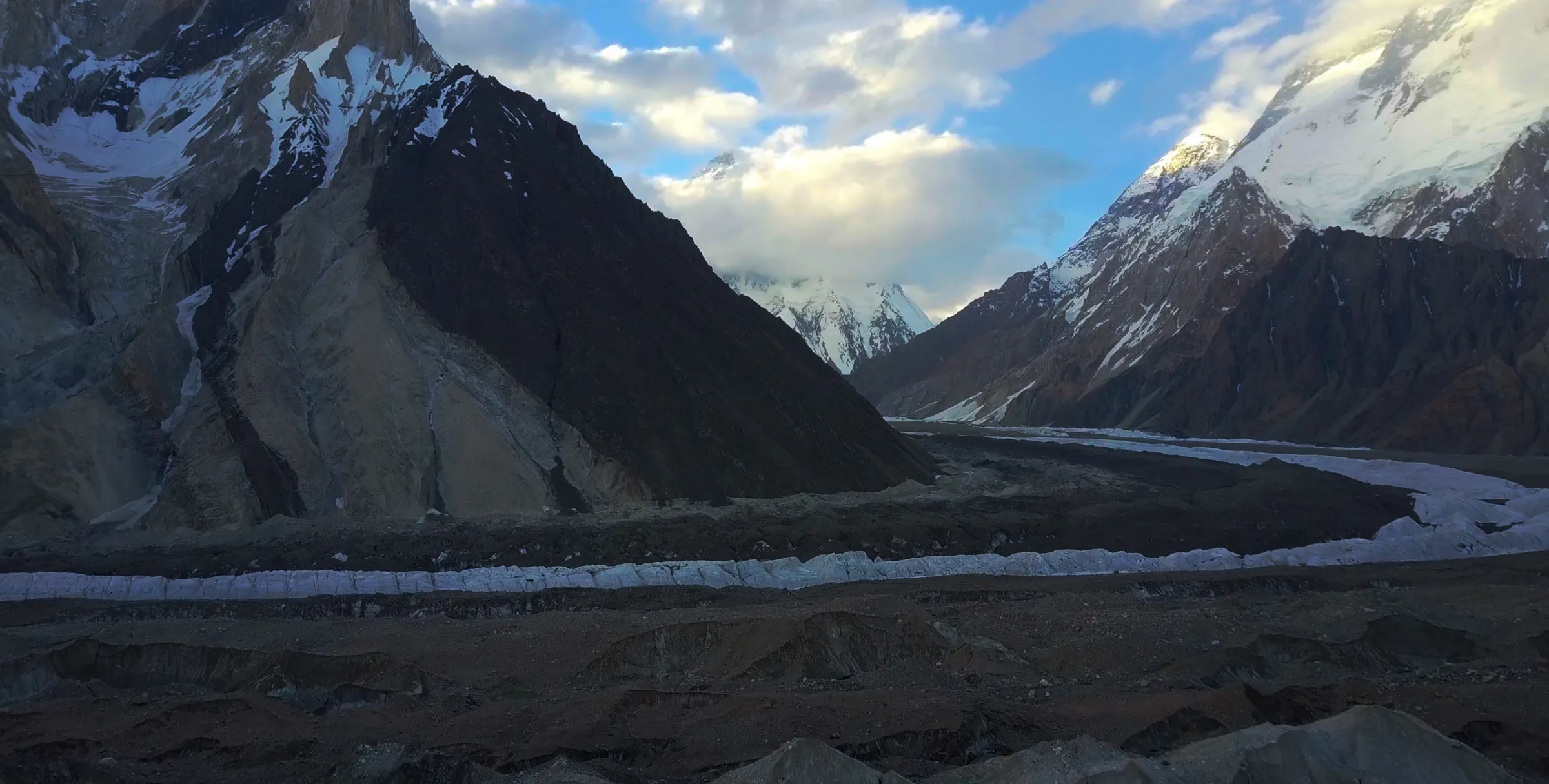
K2 seen from Concordia, with the Baltoro Glacier in the foreground

Hiking and quiet travel in Pakistan

You know the Alps. This is a size larger.

Five eight-thousanders, the longest glaciers outside the polar regions, and a few hundred people on the way there instead of a few tens of thousands.

Arsalan Majid, CC BY-SA 4.0

Who writes this

Ten years in the Alps, and before that a country full of mountains

I moved to Germany in 2016 and learned to hike here: waymarked paths, booking huts, reading forecasts, setting a turnaround time. Ten years of the Eastern Alps later, I know the questions a European hiker asks before committing to a trip.

What struck me along the way: in every hut, someone in the evening is talking about Nepal or Patagonia. About Pakistan, essentially never. Not out of rejection, it simply never came up. That gap is the reason this site exists.

More about me →
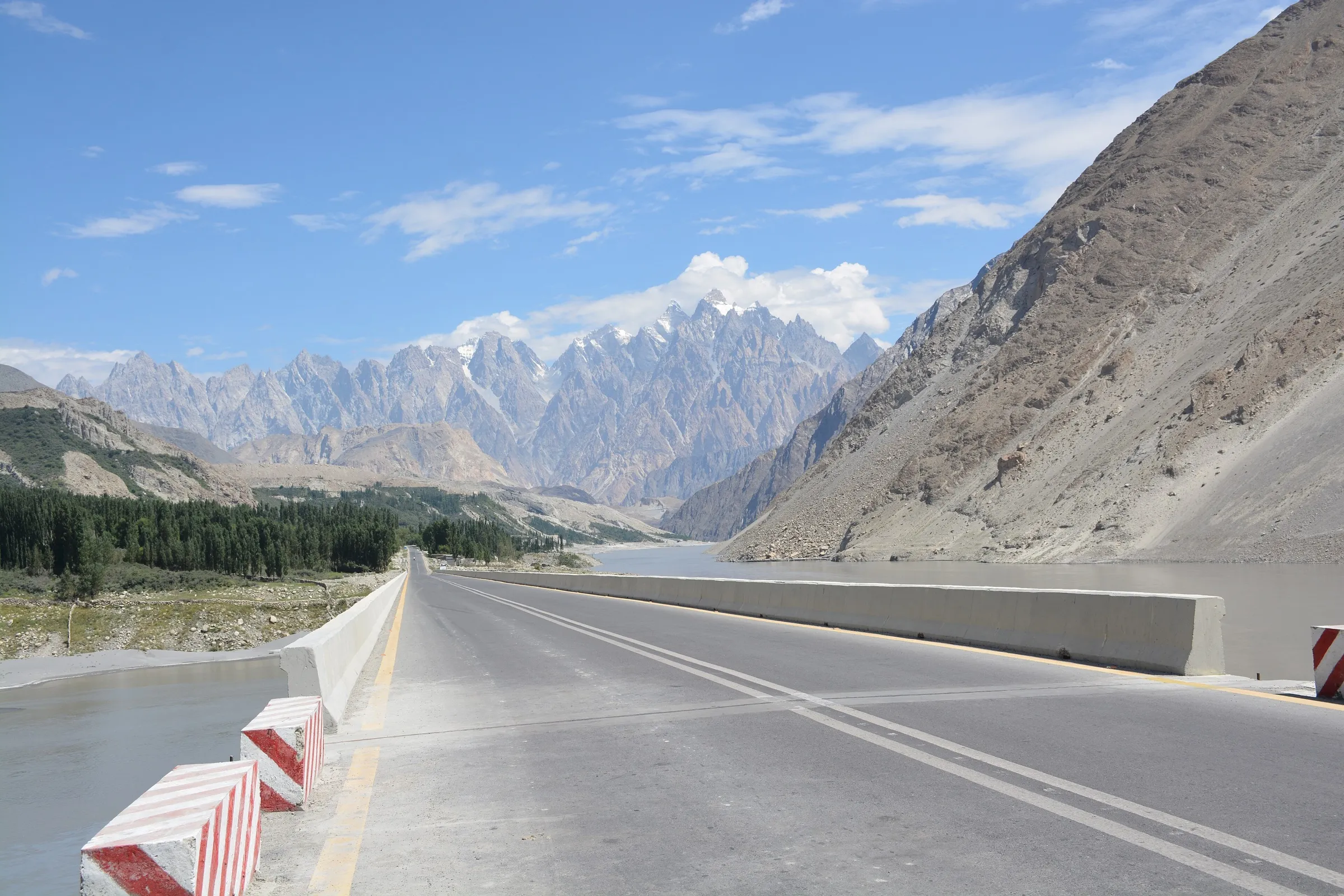
The Karakoram Highway between steep mountain flanks

Why there

Three reasons that are hard to argue with

€2–4

A full meal

A simple guesthouse is 10 to 20 euros a night. Three weeks in Pakistan often costs less than one guided week in the Western Alps, flight included.

4,600 m

The highest wall on earth

The Rupal face of Nanga Parbat rises 4,600 metres unbroken. The biggest wall in the Alps is around 2,000.

~300

People on the Baltoro

In high season, across 62 kilometres of glacier. Everest Base Camp sees tens of thousands in the same window. You will never queue.

Multi-day routes

Treks

From five days to three weeks. Every route with an honest read on difficulty, altitude and what a day on the ground actually costs.

All treks →
K2 seen from Concordia, with the glacier in the foreground
21 days

K2 Base Camp and Concordia

Three weeks up the Baltoro Glacier to the foot of the second-highest mountain on earth. The trek every other trek gets measured against.

Difficulty
Expedition
Highest point
5,150 m
Budget on the ground
90–160 € / per day
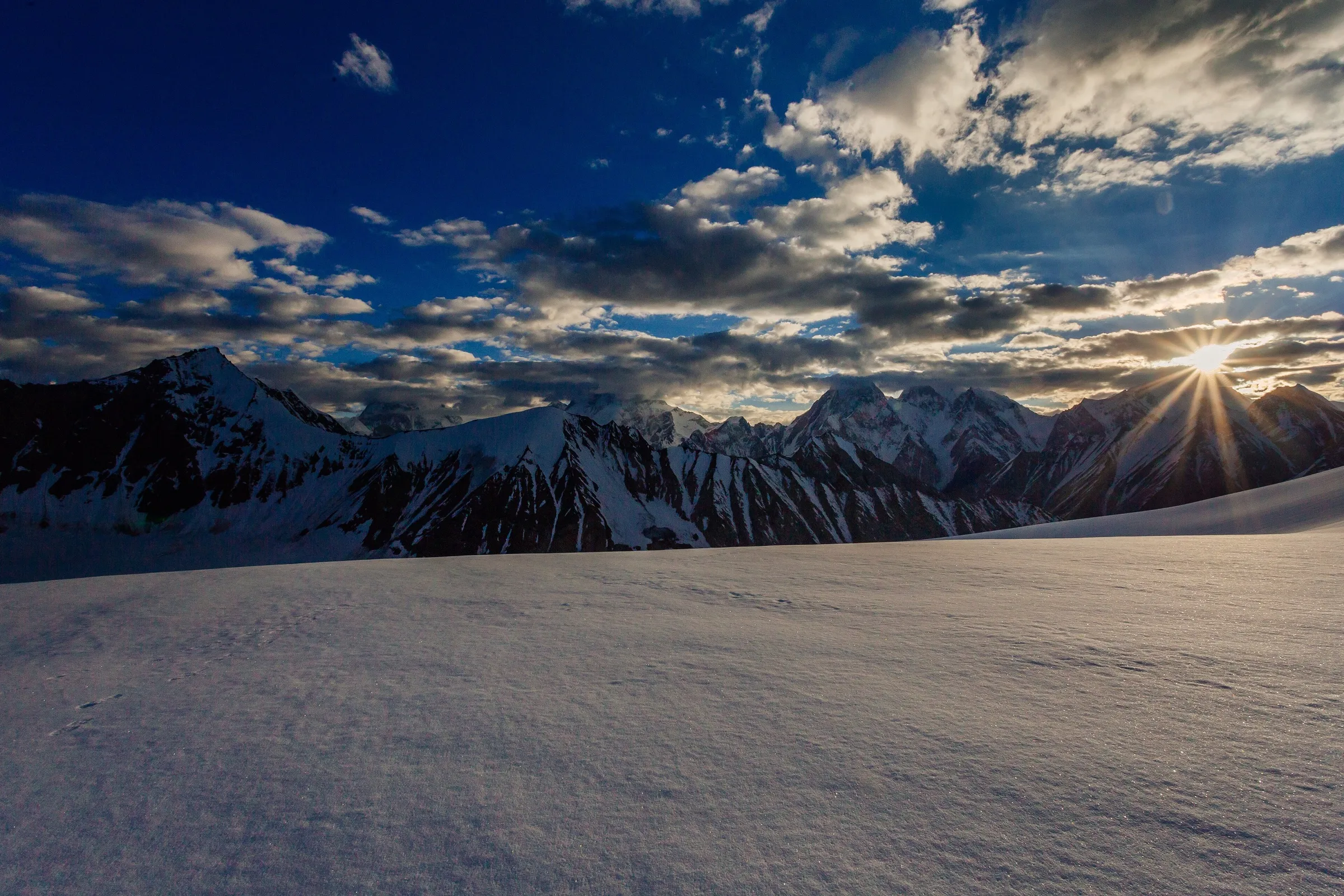
View from the Gondogoro La across glaciated Karakoram peaks
18 days

Gondogoro La

Up the Baltoro, over a glaciated 5,585-metre pass and down into the Hushe valley. No walking back the way you came, but you will need crampons and fixed ropes.

Difficulty
Expedition
Highest point
5,585 m
Budget on the ground
100–170 € / per day
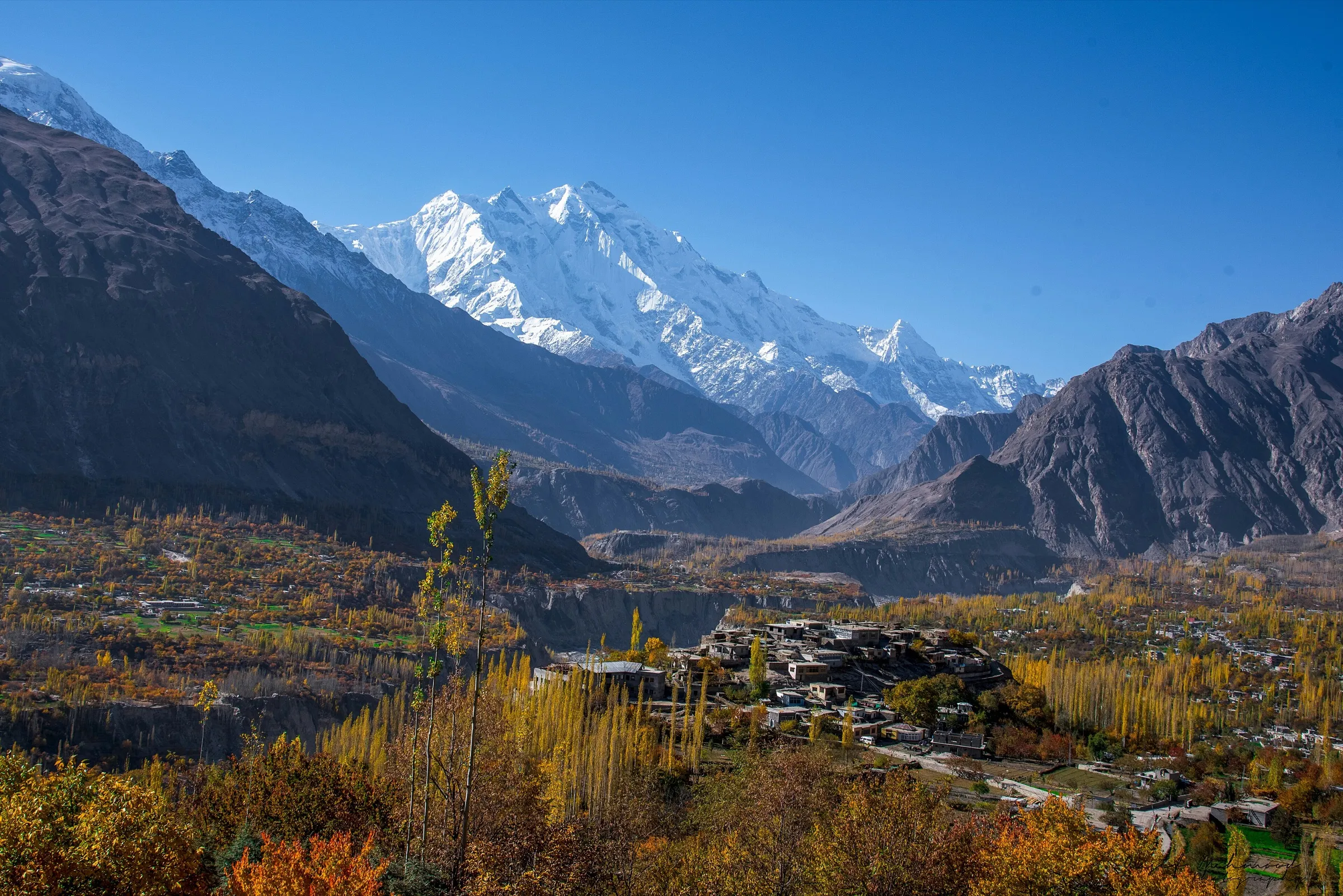
Rakaposhi with its glaciated north face above the Hunza valley
5 days

Rakaposhi Base Camp

Five days, a seven-thousander directly in front of you, and a meadow full of yaks at 3,500 metres. The best introduction to the Karakoram I know.

Difficulty
Moderate
Highest point
3,500 m
Budget on the ground
45–80 € / per day

Culture and recovery

Trips

Not every journey to the Karakoram has to be a trek. Valleys, forts, high plateaus, and days with nothing planned.

All trips →
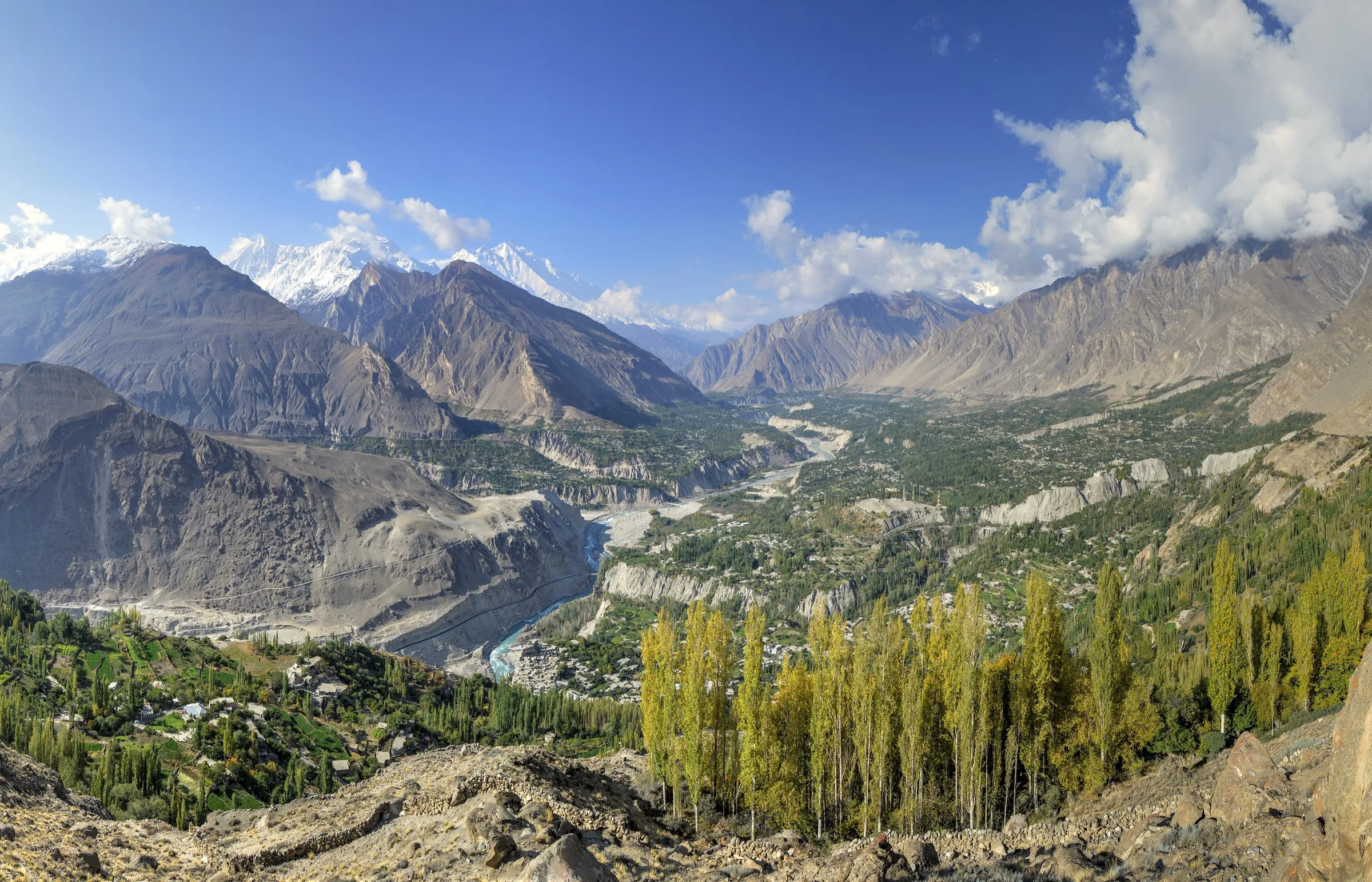
View over the Hunza valley from Eagle’s Nest
10 days

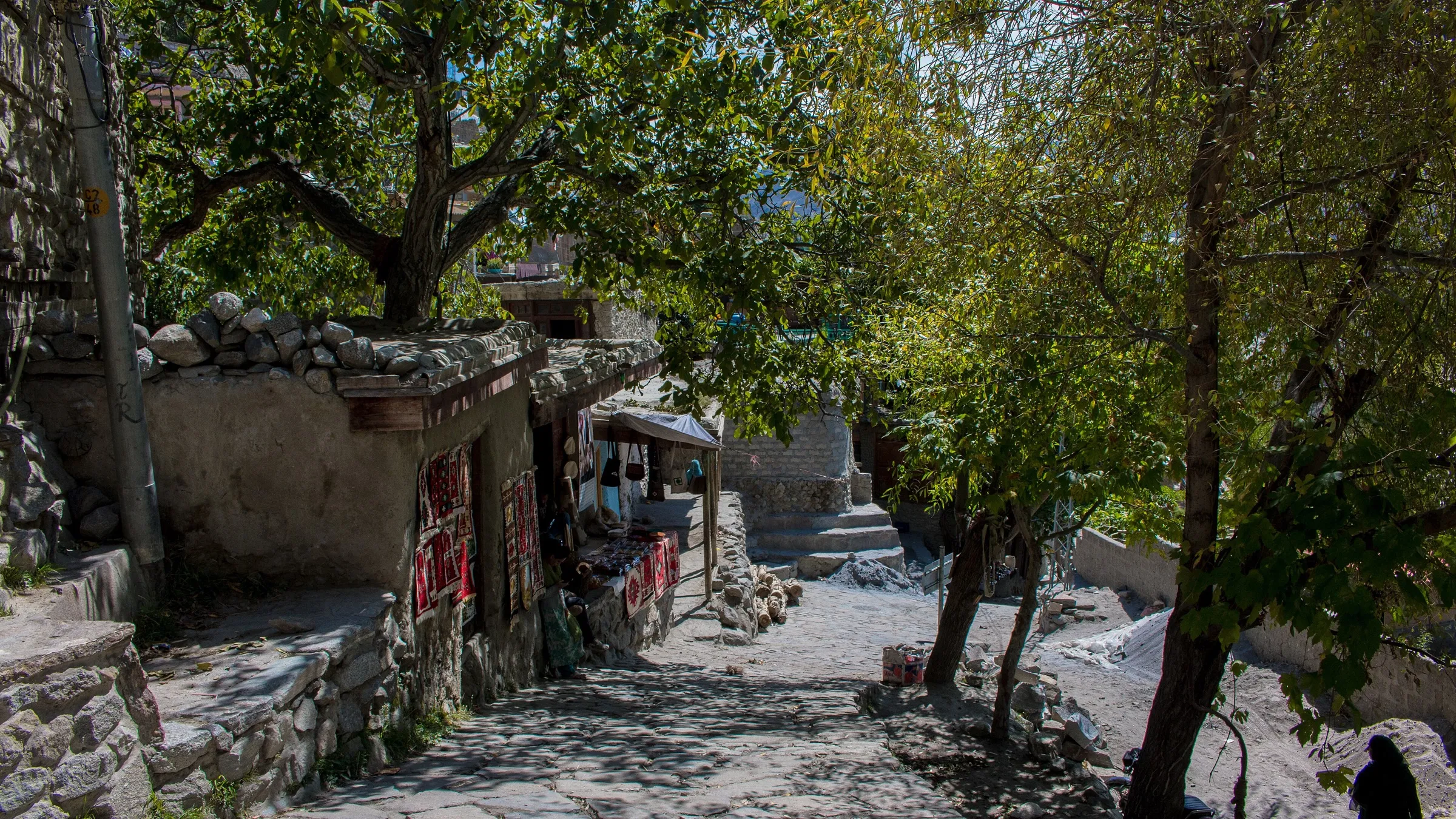
Hunza at walking pace

Ten days in a valley at 2,500 metres, with day walks, apricot orchards and two forts from the eighth century. Recovery, not achievement.

Difficulty
Easy
Highest point
2,900 m
Budget on the ground
30–55 € / per day
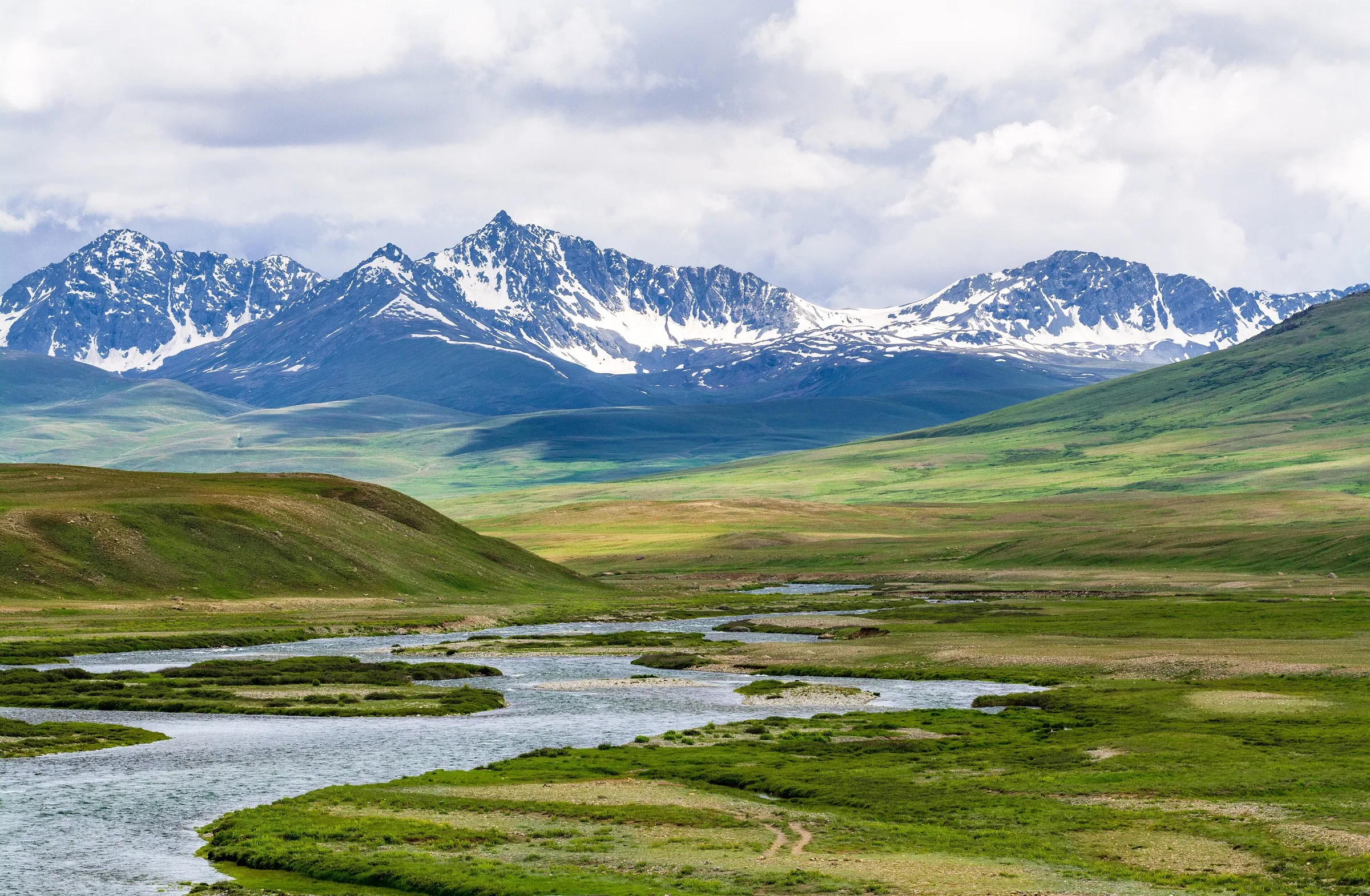
The wide plateau of Deosai under cloud
9 days

The Deosai Plains and Skardu

The second-highest plateau on earth: a steppe at 4,000 metres, covered in flowers and brown bears in July. Plus Skardu, Shigar and the cold desert of Sarfaranga.

Difficulty
Easy
Highest point
4,100 m
Budget on the ground
40–70 € / per day
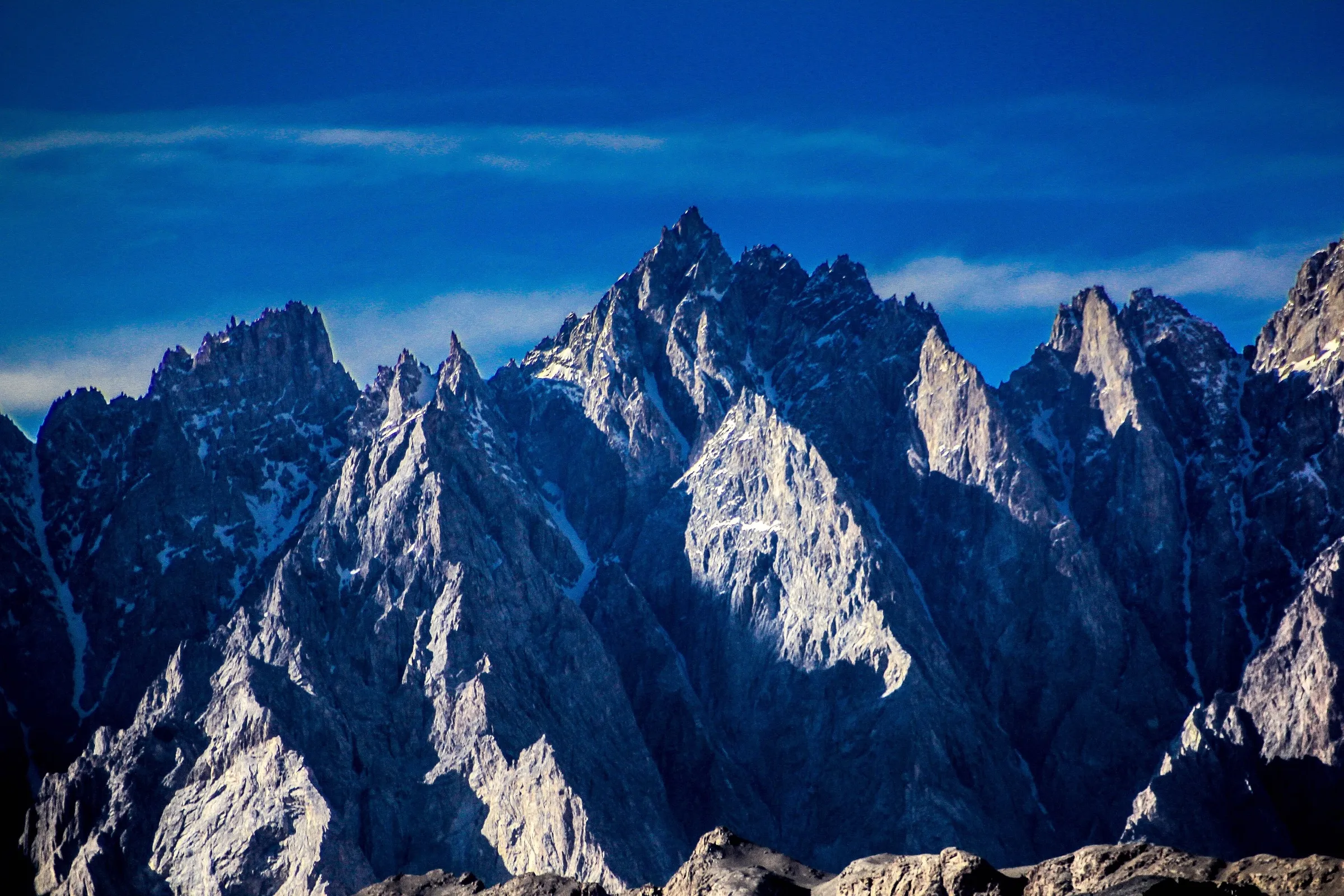
The Passu Cones beside the Karakoram Highway
8 days

Passu, Patundas and the Khunjerab Pass

Upper Hunza: serrated peaks, two glaciers you can walk up to, and the highest paved border crossing in the world at 4,693 metres.

Difficulty
Easy
Highest point
4,693 m
Budget on the ground
35–60 € / per day

Notes

From the blog

All posts →

What a day in Pakistan actually costs

Real numbers instead of "cheap": rooms, food, guides and transport, and why the most expensive item is the flight, not the country.

Read more →