Why Pakistan
Big mountains, small budget, few people
Three arguments I think hold up, and then the caveats that come with them. Both belong on the same page.
The scale
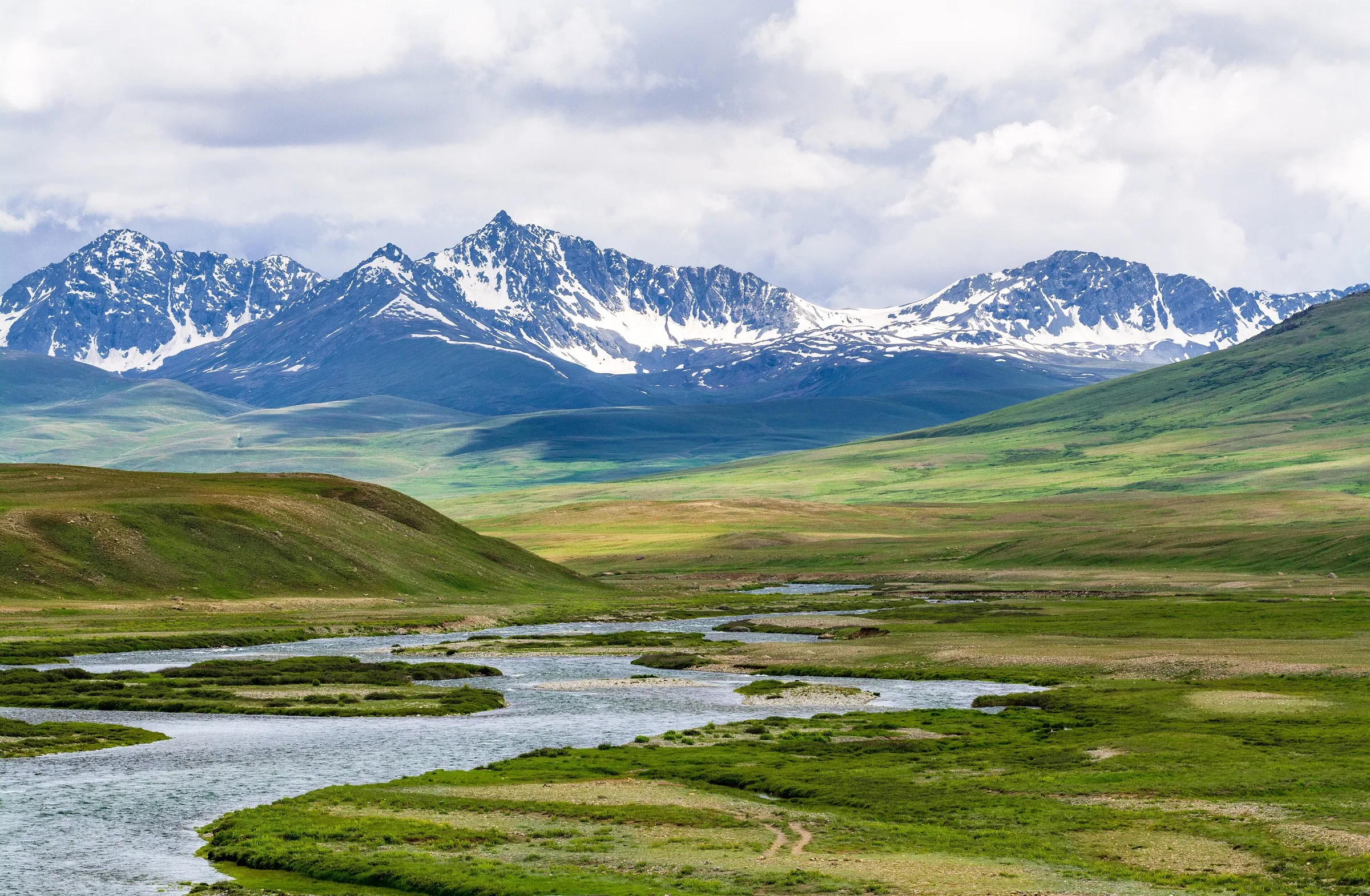
Pakistan has five eight-thousanders, K2 among them at 8,611 metres. It has the longest glaciers outside the polar regions: the Baltoro runs 62 kilometres, the Biafo 63. And in the Rupal face of Nanga Parbat it has the highest mountain wall on earth: 4,600 metres unbroken.
That number deserves a moment. The biggest wall in the Alps is around 2,000 metres. The Eiger north face, against which generations of climbers measured themselves, is 1,800 metres. The Rupal face is two and a half times that.
The money
A full meal in a local restaurant costs two to four euros. A simple guesthouse in Karimabad or Skardu is ten to twenty euros a night. A local guide for day walks costs twenty to thirty-five euros, and that is for the whole group.
The most expensive item is the flight, not the country: Frankfurt or Munich to Islamabad runs 450 to 800 euros depending on season. A practical consequence follows: short trips do not pay off here. Over ten days the flight dominates the budget. Over three weeks it spreads out, and the low daily costs come through.
The quiet
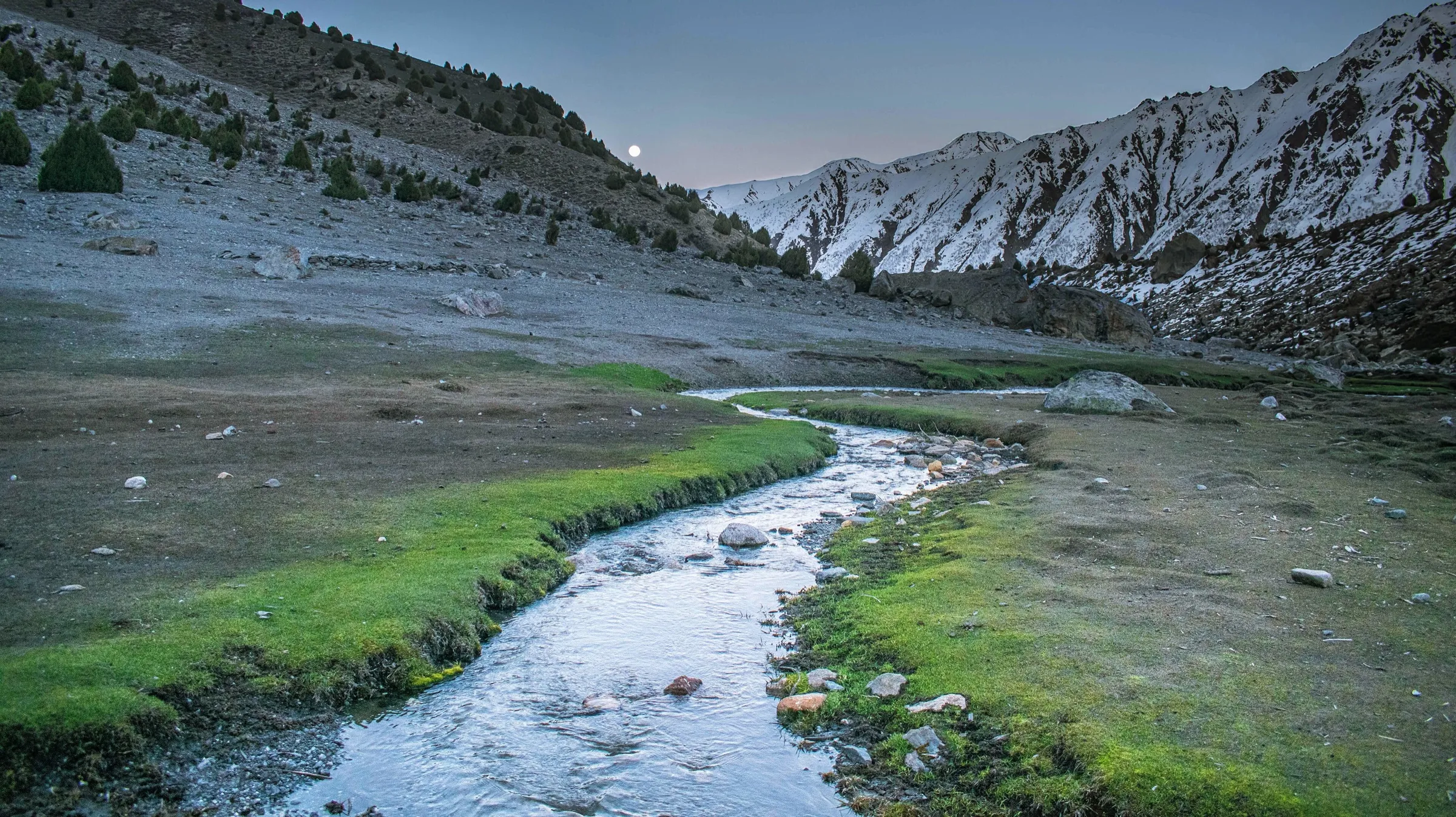
In high season there might be a few hundred people on the Baltoro Glacier at any one time, spread across 62 kilometres of ice. The Everest Base Camp trek counts tens of thousands in the same window. On the Biafo–Hispar traverse you can go days without seeing anyone.
This is not luck and it is not hidden-gem talk. It is the direct result of Pakistan simply not featuring in European travel awareness. For you as a hiker, that is currently an advantage.
Side by side
| Alps | Pakistan | |
|---|---|---|
| Highest peak | Mont Blanc, 4,806 m | K2, 8,611 m |
| Biggest wall | around 2,000 m | Rupal, 4,600 m |
| Longest glacier | Aletsch, 23 km | Biafo, 63 km |
| A night’s lodging | €60–90 hut | €10–20 guesthouse |
| A hot meal | €18–28 | €2–4 |
| Mountain guide / day | €350–450 | €40–70 |
| Crowding | high to very high | low |
| Rescue | helicopter in ~20 min | hours to days |
What you accept in exchange
- Getting there is long. Islamabad is only the start; Skardu or Gilgit adds a domestic flight or two days on the road.
- The Karakoram Highway can be blocked. Landslides occasionally close it for days. Build in buffer before your flight home.
- Flights to Skardu get cancelled. They fly on sight. In poor weather they are scrapped, sometimes several days running.
- Rescue is far away. There is no comprehensive mountain rescue service as in the Alps. Travel health insurance with repatriation and an altitude clause is mandatory, not advisable.
- Infrastructure is thinner. No phone signal on the treks, no hut serving hot soup, no waymarked paths in the European sense.
- Security varies by region. Gilgit-Baltistan and Hunza have been calm for years; the north-west is more changeable. Read your foreign ministry’s current travel advice before booking.
If that puts you off, it is a sensible reaction. The Alps are the better place, and I still go there myself. If it does not put you off, what you get in return are mountains that exist at this scale nowhere else, at a price that does not match them.