Swat & Kalash
The Kalash valleys and Swat
Twelve days in the north-west: the Kalash with their own pre-Islamic religion, and Swat with Buddhist ruins from the Gandhara period. Culture rather than altitude.
Author: Zeeshan-ul-hassan Usmani, CC BY-SA 4.0

- Duration
- 12 days
- Difficulty
- Easy
- Highest point
- 3,200 m
- Best season
- May – Oct
- Budget on the ground
- 35–65 € per day
- Group size
- 4–10
Overview
A different Pakistan
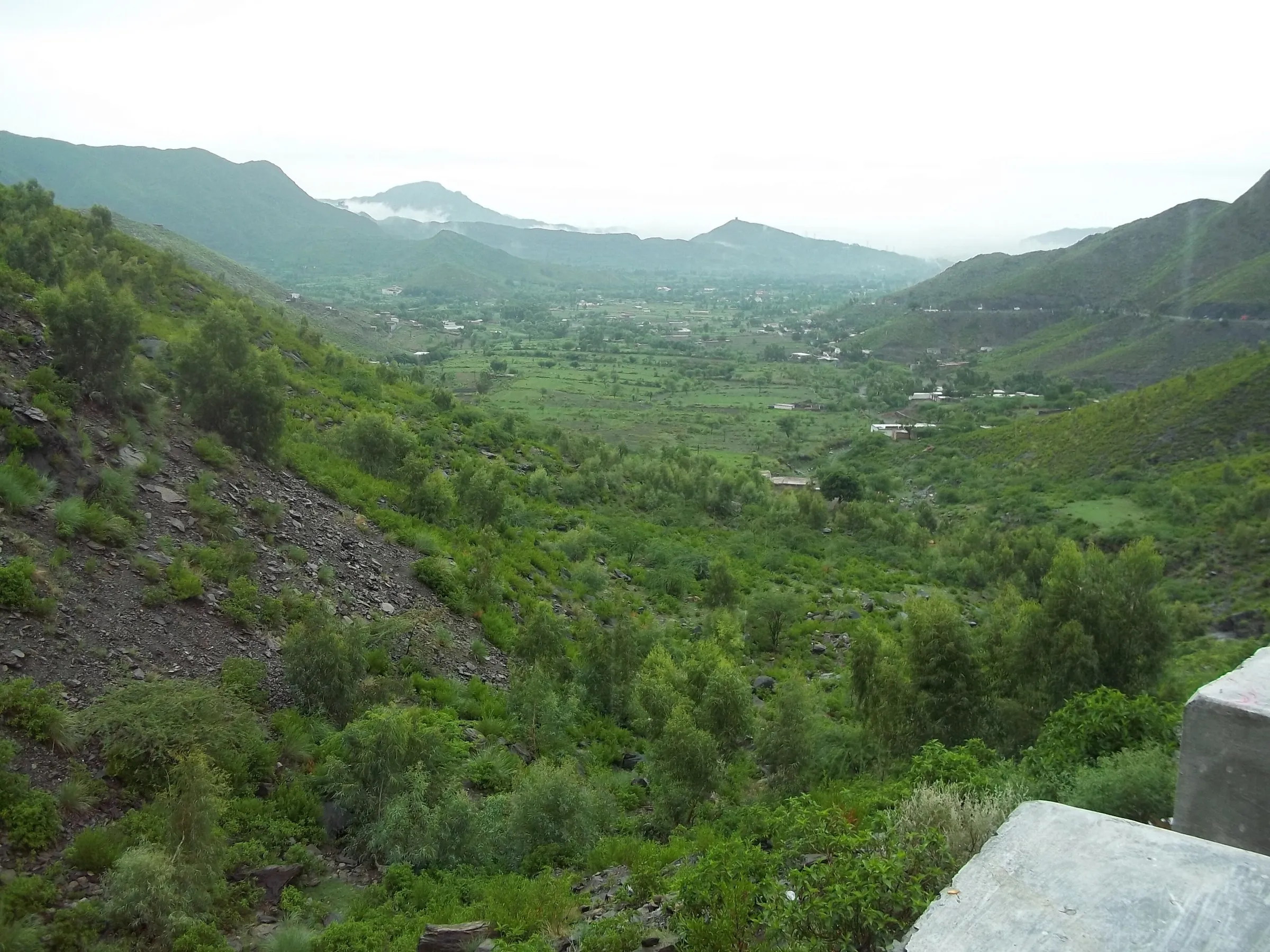
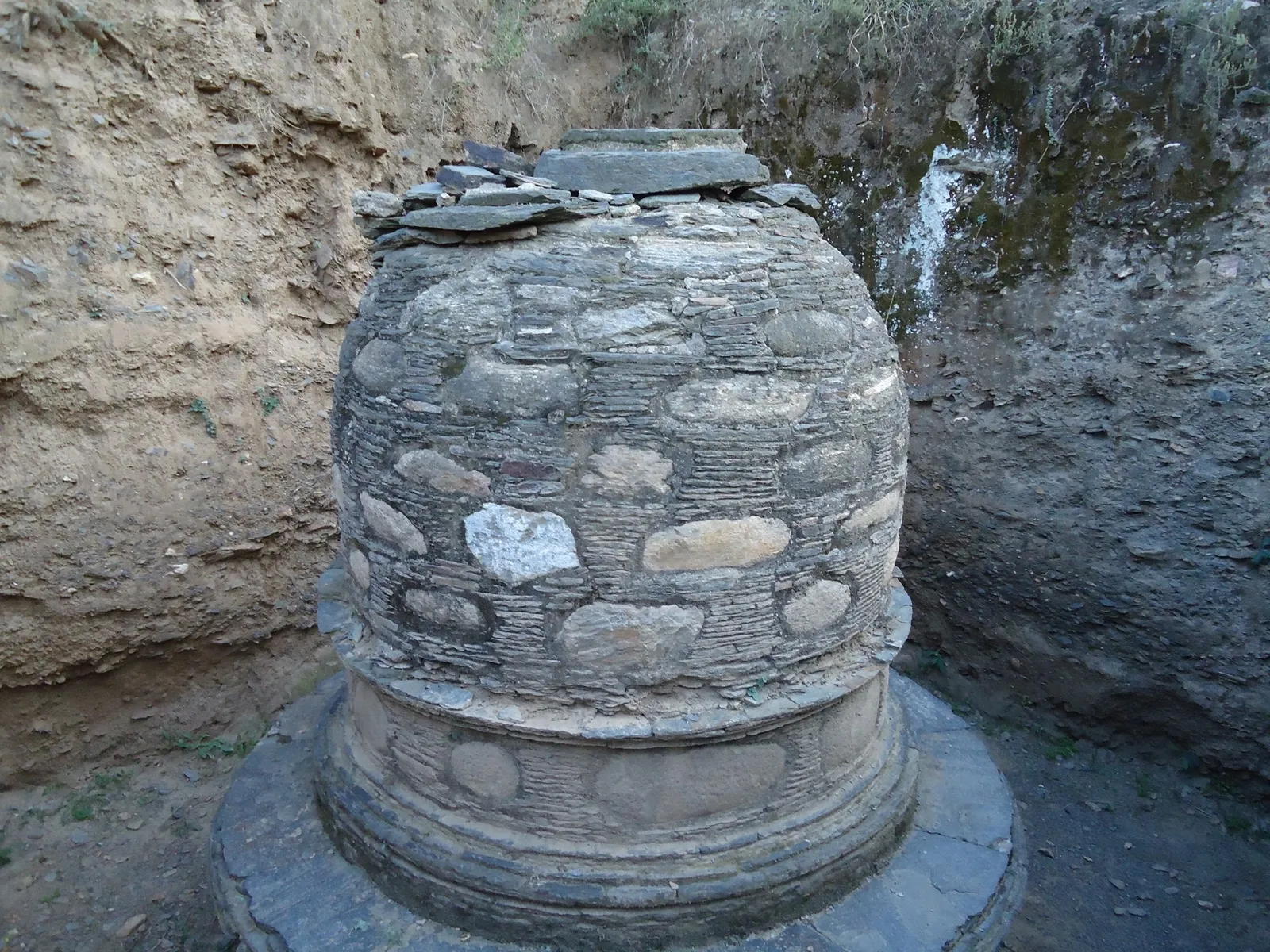
If you only know the Karakoram, you have not seen the north-west. Swat is green, forested and comparatively gentle. Two thousand years ago it held one of the centres of Gandhara Buddhism, and the stupas and rock reliefs are still there.
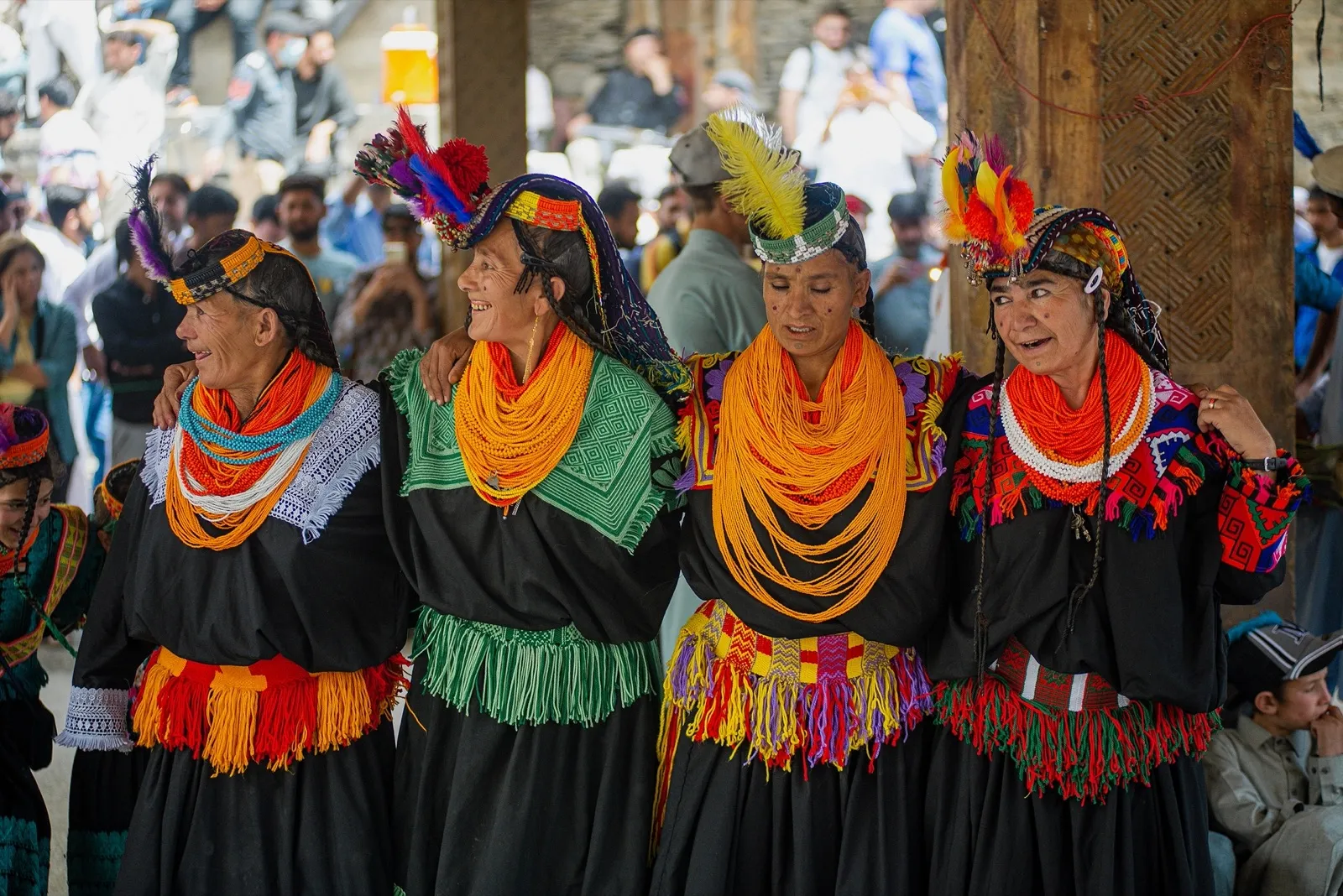
The Kalash valleys near Chitral are something else again. Around four thousand people live there with their own language and a polytheistic religion older than Islam in this region. Their festivals are public and visitors are welcome.
How to behave there
This matters to me: the Kalash are a small minority, not an attraction. Photograph only after asking, particularly women. The festivals are religious occasions, not performances. A local guide from the community is the difference between a visit and an intrusion.
Cost
Thirty-five to sixty-five euros a day. Lodging is simple, in places very simple. The largest item is transport, because the distances are long.
Honest about safety
Swat and Chitral are regularly travelled today, but the situation in north-west Pakistan shifts more than it does in the north. Before booking, read your foreign ministry’s current travel advice, and listen to a local operator who can read the situation better than any website.
Day by day
1–2
Islamabad to Swat
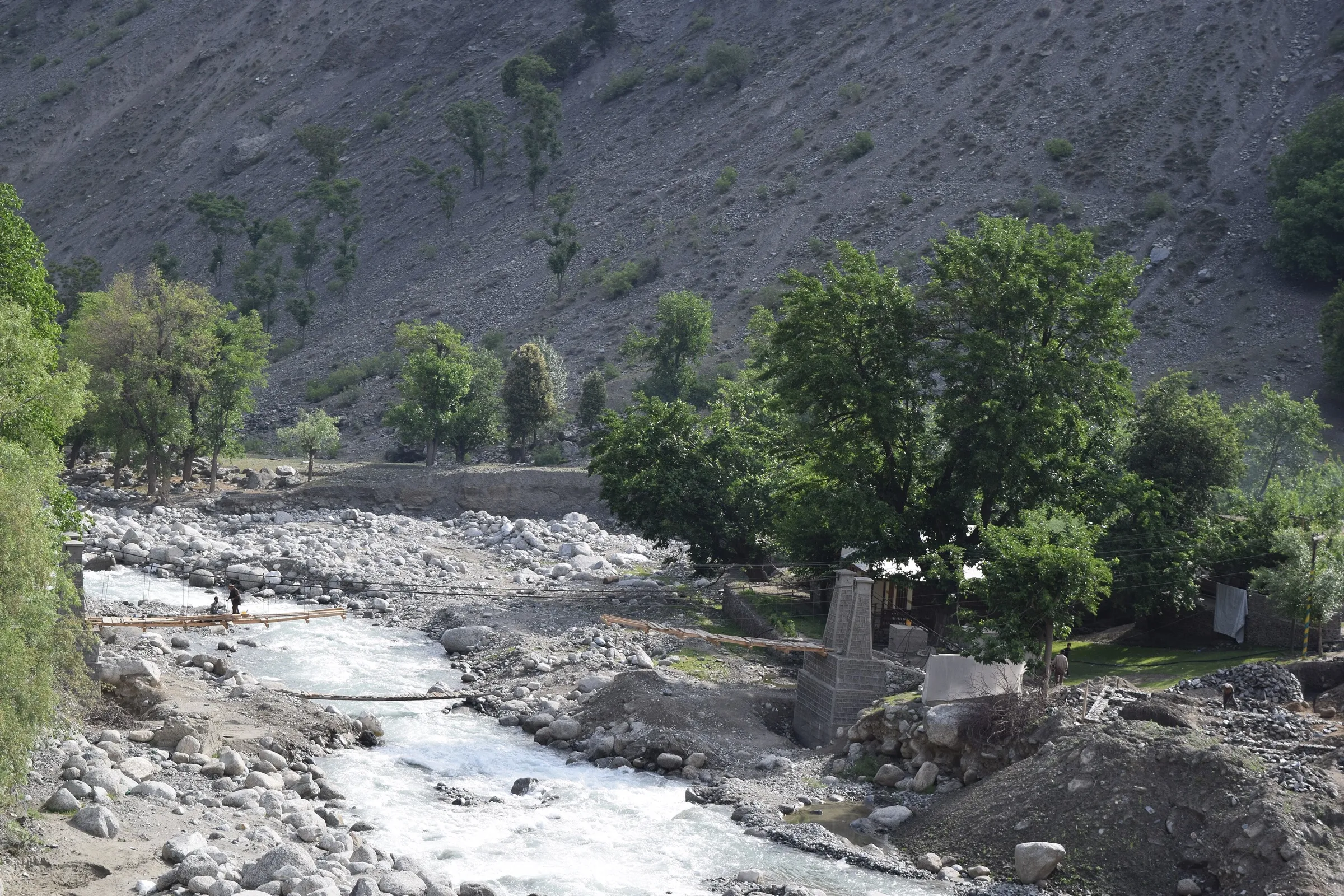
Drive into the Swat valley. Green hills, rivers, a completely different Pakistan from the north.
3–4
Swat: Mingora and around
The museum in Mingora, the Butkara stupa, the rock reliefs at Jehanabad. Gandhara was one of the centres of early Buddhism.
Day 5
Kalam and upper Swat
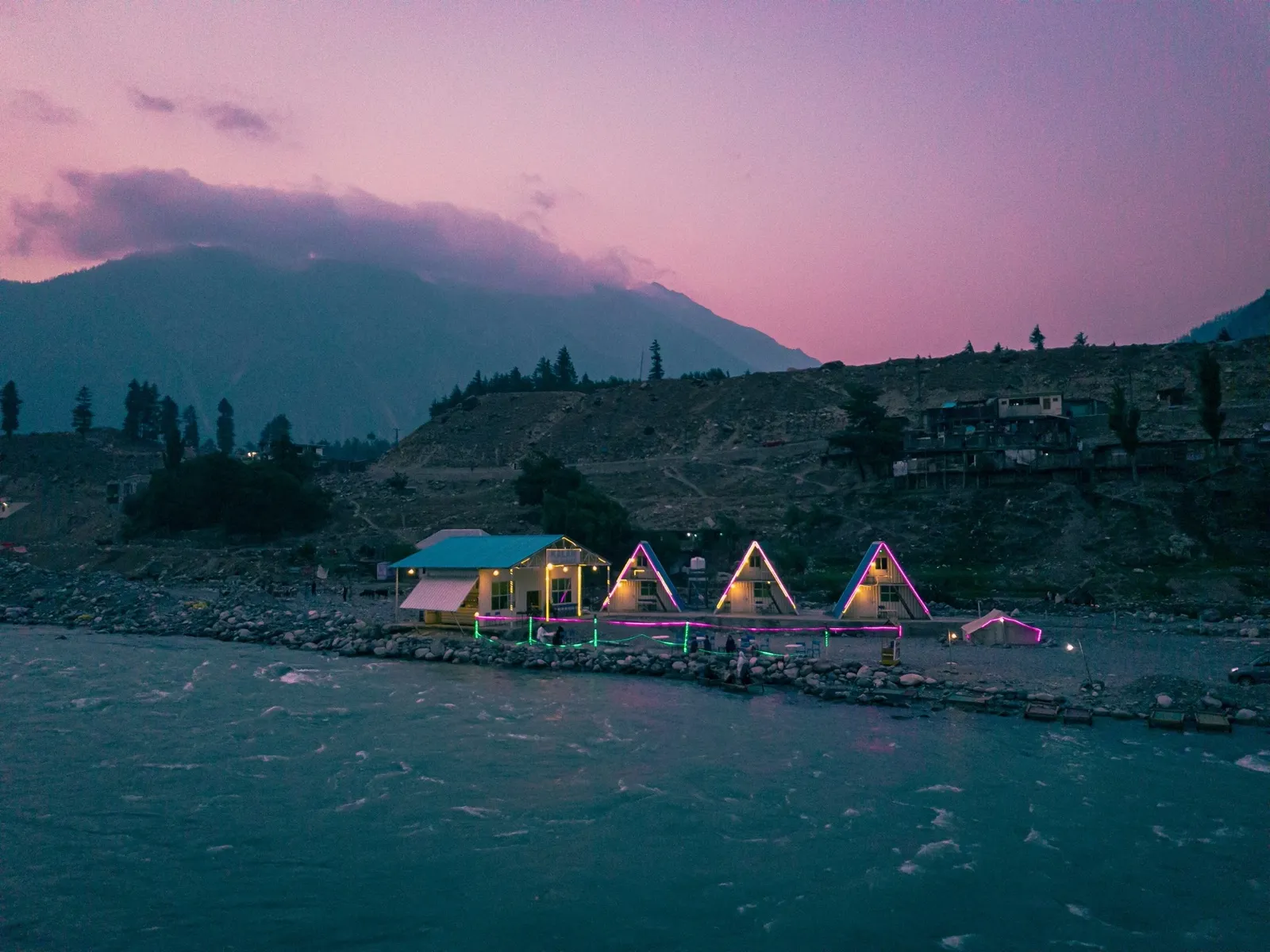
Up into the forested upper valley at around 2,000 m.
6–7
Over the Lowari to Chitral
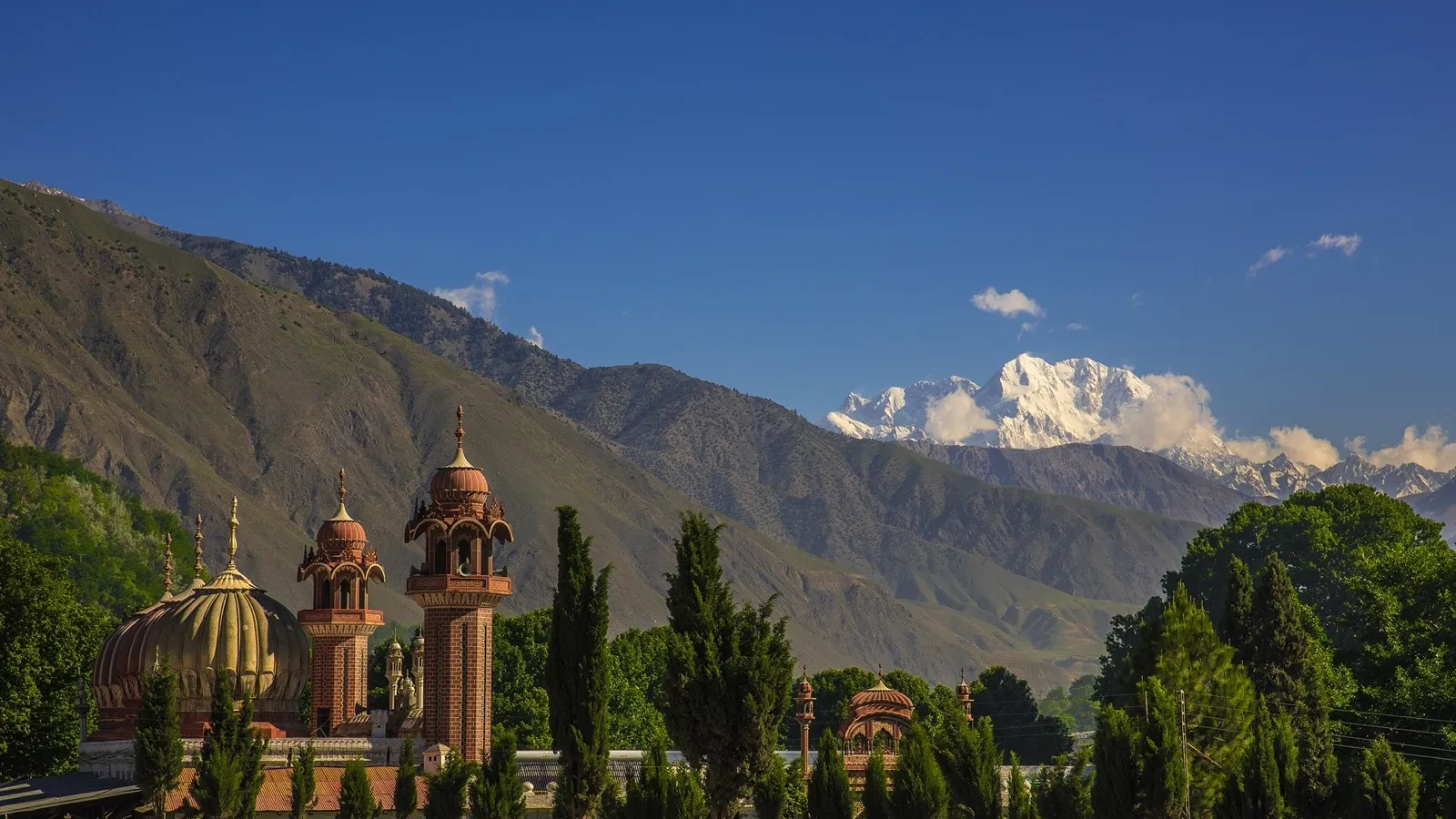
Through the Lowari tunnel to Chitral. In clear weather Tirich Mir stands over the town.
8–10
The Kalash valleys
Three days in Bumburet and Rumbur. The Kalash are a minority of around four thousand people with their own language, religion and festivals. Not an open-air museum but an inhabited valley.
Day 11
Back to Chitral
A last day in the valley, then back to town.
Day 12
Return
Fly to Islamabad or drive back over the Lowari.
Practical details
- Permits
- A small fee is charged for the Kalash valleys. A local guide is recommended and in places required.
- Visa
- E-visa, ordinary tourist type.
- Acclimatisation
- Not a factor, the route stays largely below 2,500 m.
- Getting there
- Via Swat and the Lowari tunnel, or a domestic flight Islamabad–Chitral.
Photos